

Hey Arcaders!
By 1984, Universal had already reinvented the the digging maze and the arcade platformer twice with Mr. Do! and Mr. Do’s Castle. But instead of refining the same formula, the company took a sharp left turn—straight into an amusement park. Mr. Do’s Wild Ride is the third entry in the series, and easily the most unexpected. Gone are the digging tunnels and block‑pushing puzzles; in their place is a frantic, high‑speed dash up a looping roller‑coaster track. It seems Mr. Do! doesn’t like OSHA regulations!
It’s a game that feels like Universal letting loose—bright, chaotic, and unapologetically difficult. And yet, beneath the carnival veneer lies a tightly engineered action game that still stands out among 1980s platformers.
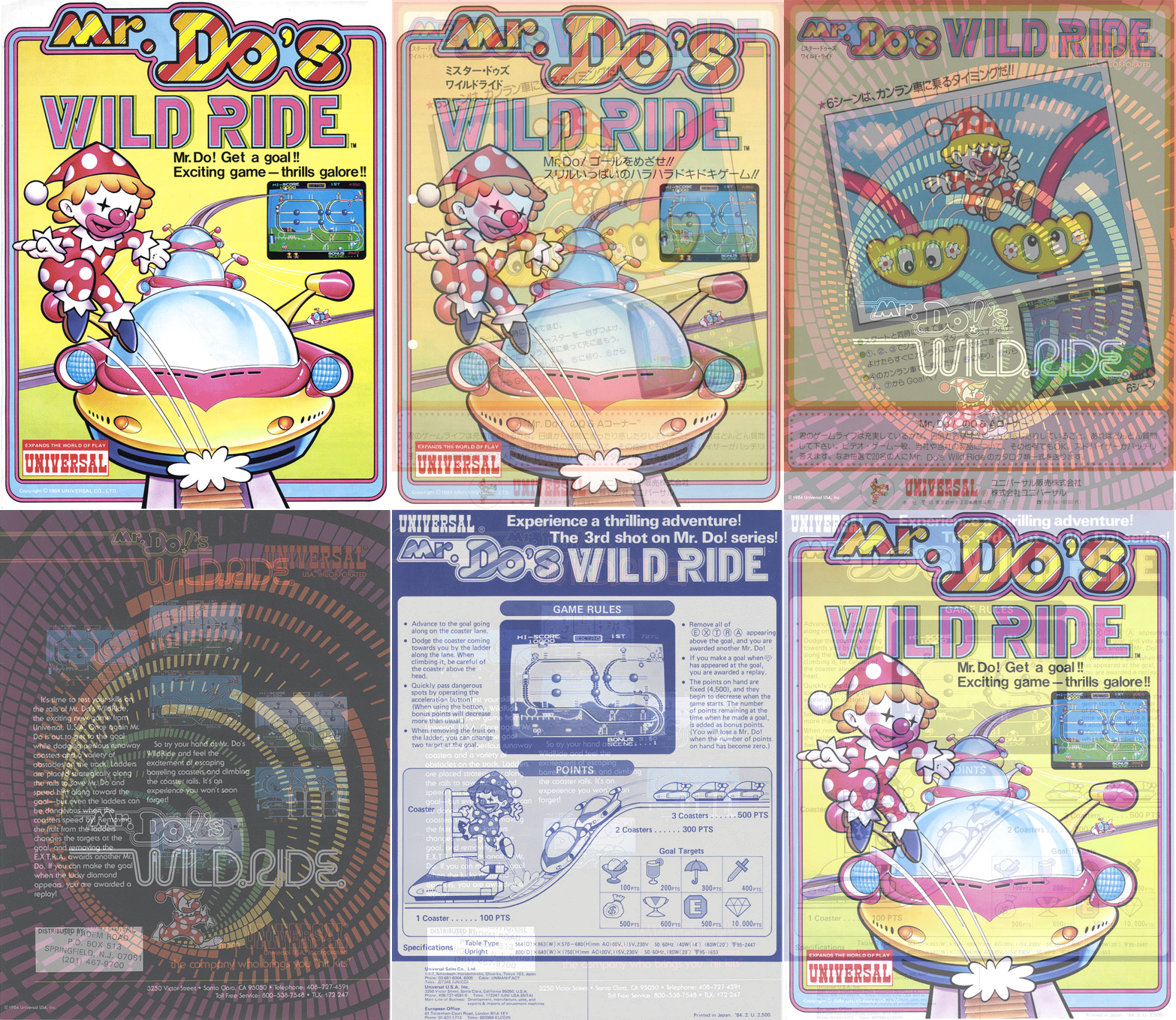
At its core, Mr. Do’s Wild Ride is a hazard‑avoidance platformer. The goal is simple:
Guide Mr. Do to the top of the screen without getting flattened by oncoming coaster cars.
The Track and obstacles:
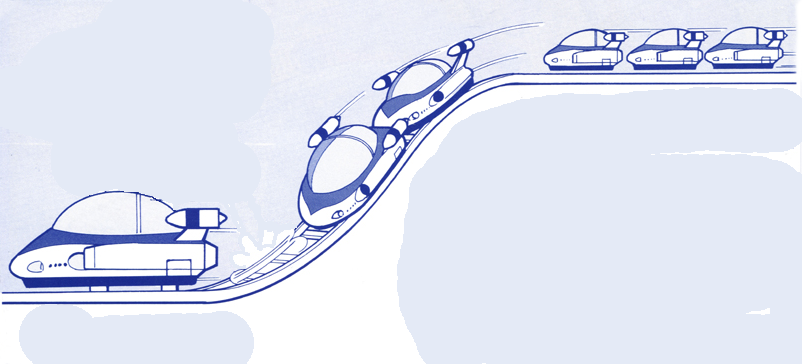
Each stage is built around a twisting roller‑coaster rail that Mr. Do must climb.
Coaster cars race down the track at varying speeds and patterns. You’ll also have to contend with spring loaded balls, moving platforms, carousel horses, and a floating pirate ship!
Ladders:
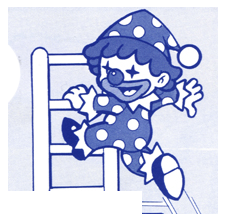
Small ladders act as safe zones—Mr. Do can climb them to avoid danger.
Super Speed:
A dedicated button lets Mr. Do sprint, but drains the timer rapidly.

Collectibles:
Cherries, flags, and bonus icons return from earlier games, rewarding risk‑taking.
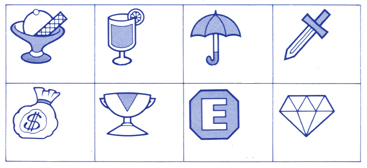
The tension comes from balancing speed, timing, and route planning. Every ladder is a lifeline, but staying on one too long guarantees a collision. But watch out! Collecting cherries changes the prizes at the finish line! Mr. Do’s Wild Ride is notorious for its challenge. Unlike the more methodical pace of Mr. Do’s Castle, this game demands Split‑second reactions, Pattern recognition, Precise timing, and Route memorization! this is Donkey Kong on steroids!
The coaster cars don’t just move fast—they vary their spacing and speed, creating a rhythm that players must internalize. The game rewards mastery, but it punishes hesitation.
This difficulty spike reflects Universal’s mid‑1980s design ethos: simple rules, escalating chaos, and tight mechanical execution. Universal’s signature style is on full display: Bright, carnival‑themed color palettes, Expressive sprite animation, A looping track that dominates the screen, and Cheerful but urgent music!
The game feels like a Saturday‑morning cartoon collided with a roller‑coaster blueprint. One of the most interesting bits of trivia: The game wasn’t originally a Mr. Do title at all.
It began development as Go! Go! Coaster, a standalone amusement‑park action game. Universal later rebranded it to leverage the popularity of the Mr. Do character—something they had already done with Mr. Do’s Castle (originally Mr. Do vs. Unicorns).
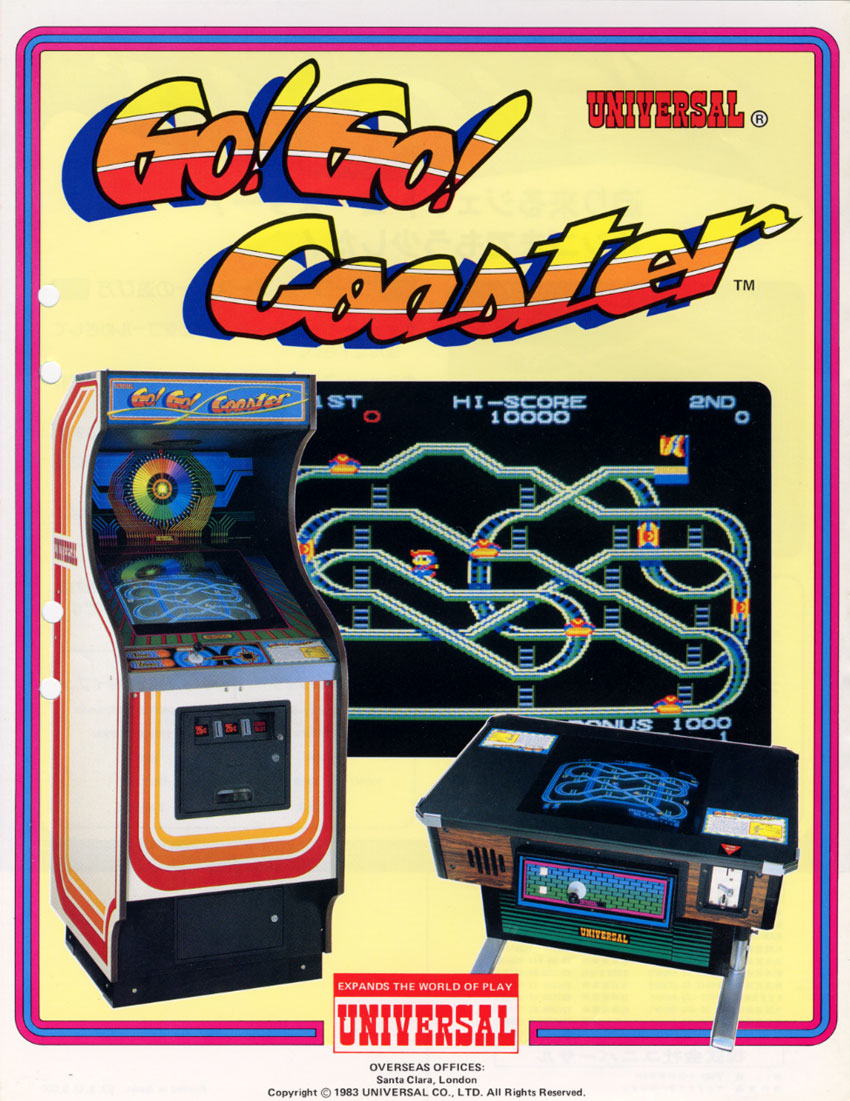
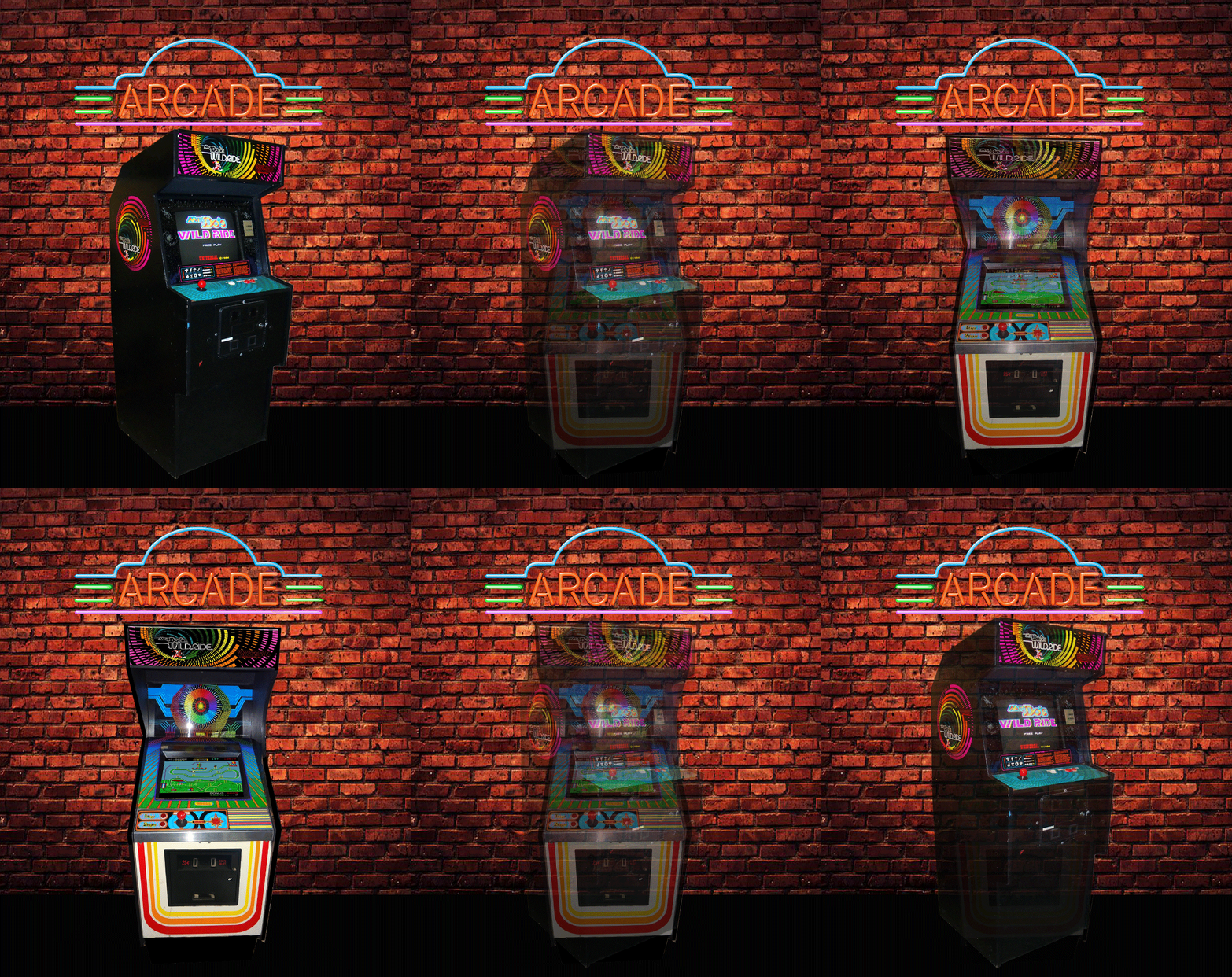
This explains why the game feels so different from the rest of the series. It is different—Mr. Do was added late in development. Wild Ride is the most radical departure, but it also shows Universal’s willingness to reinvent rather than iterate. While it never reached the cultural footprint of the original Mr. Do!, Wild Ride has earned a cult following among collectors and arcade historians. Its cabinet is visually striking, its gameplay is unique, and its difficulty makes it a badge‑of‑honor title for classic arcade fans.
there were only 2 ports- The MSX port (1985) is surprisingly faithful, though slower due to hardware limitations.
Then- in 2004 the MSX port was converted to the Colecovision!
The looping coaster track is one of the most recognizable single‑screen designs of the 1980s. Mr. Do’s Wild Ride is Universal at its most playful and experimental. It’s a game that looks simple but demands mastery, a game that feels familiar yet stands apart from its siblings. For fans of the Mr. Do series—or anyone fascinated by the golden age of arcade innovation—it remains a standout piece of Universal’s legacy.
Have you ever played Mr. Dos! Wildride? It’s one of the hardest platformers out there!
It’ll test your reflexes and then some! I love this game for it’s challenge.. but I’ve never finished it- EVER!
Let me know in the comments!
Keep Playin’ Like It’s 1981!
 The Arcade Archives!